
Why Does the Check Engine Light Come On?
What the check engine light means, common causes from a loose fuel cap to misfires and sensor faults, steady versus flashing lights and what to do next.
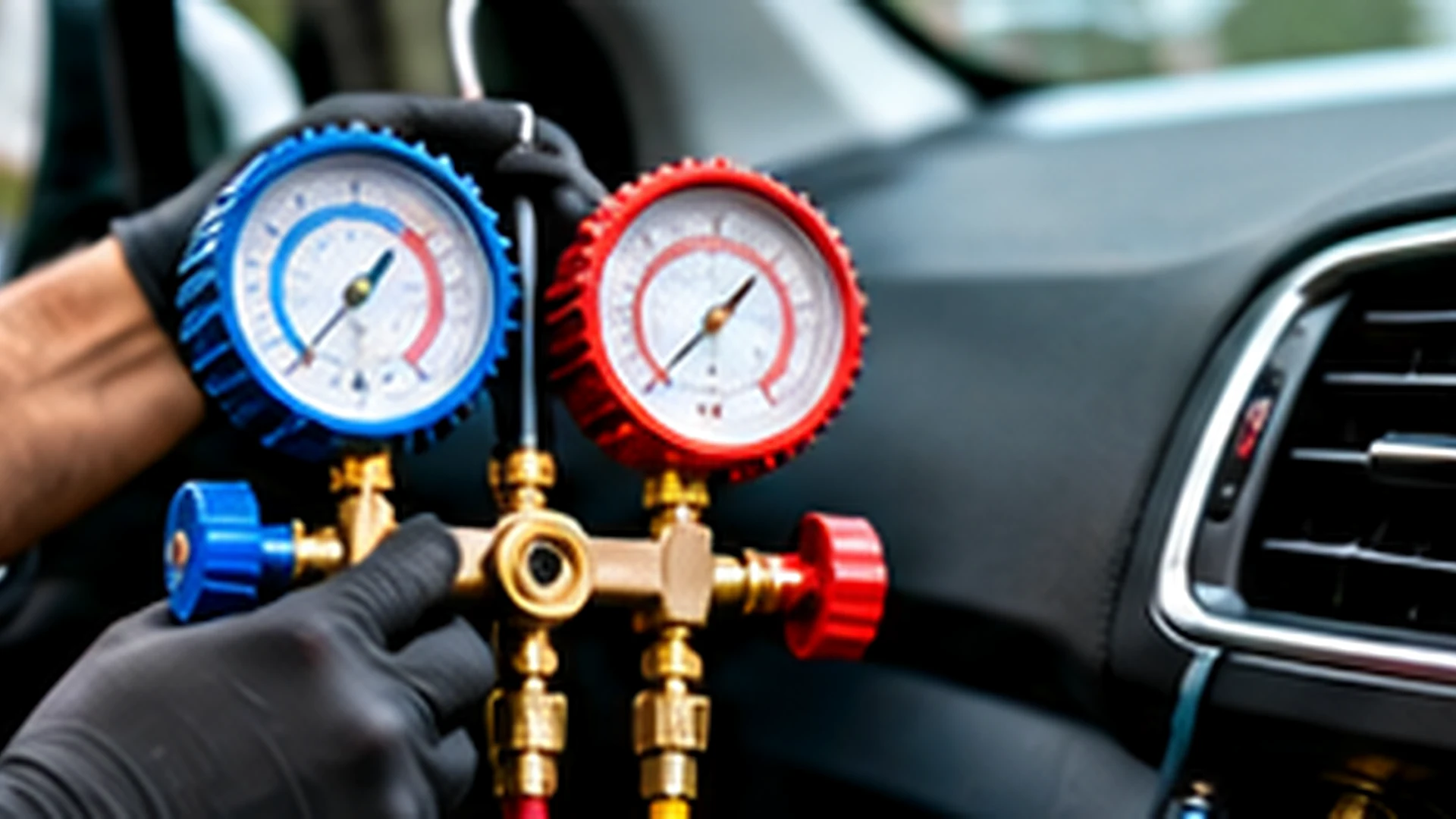
The check engine light comes on when the car's engine management system detects a fault that affects engine performance or emissions. Causes range from minor issues such as a loose fuel cap to more serious ones like misfires, sensor failures or catalytic converter problems. A steady light means get the car checked soon; a flashing light means a severe misfire that can damage the catalytic converter, so reduce speed and get help promptly.
What the Light Actually Means
The engine control module continuously monitors sensors and the results of its own self-tests. When something falls outside expected limits in a way that could affect emissions or engine health, it stores a fault code and turns on the malfunction indicator lamp, usually an engine-shaped symbol in amber.
The light does not tell you what is wrong. It tells you a fault has been recorded. Reading the code with a scanner is the first step, as explained in our guide to computerised car diagnostics.
Steady Versus Flashing
- Steady: a fault has been detected. The car may feel normal or slightly off. Book a check soon and avoid long trips until it is diagnosed.
- Flashing: usually a severe misfire. Unburned fuel can overheat and damage the catalytic converter. Reduce speed, avoid hard acceleration and get the car to a workshop as soon as safely possible.
If the light comes on with other warnings, such as oil pressure or temperature, stop safely and switch off the engine.
Common Causes
Loose or Faulty Fuel Cap
On cars with evaporative emissions monitoring, a cap that is not sealing can trigger a fault. Check it is tightened properly. If that was the cause, the light usually clears after several drive cycles.
Oxygen Sensor Issues
Oxygen sensors measure exhaust oxygen to help the engine adjust fuelling. A failing sensor or wiring fault can trigger the light and affect fuel economy.
Misfires
A misfire happens when a cylinder does not burn its fuel properly. Causes include worn spark plugs, failing ignition coils, injector problems or vacuum leaks. You may feel shaking, hesitation or a loss of power.
Mass Airflow or Manifold Pressure Sensor Faults
These sensors measure air entering the engine. Contamination or failure leads to incorrect fuelling, rough running and poor economy.
Catalytic Converter Efficiency
A catalytic converter that is no longer working efficiently can trigger the light. Often, an underlying issue such as misfires has damaged it.
EGR and Emission Control Faults
Exhaust gas recirculation valves can clog, especially in diesel engines used mostly in short trips, causing rough running and warning lights.
Electrical Issues
Damaged wiring, poor connections, rodent damage or low battery voltage can produce fault codes. See car battery problems for related symptoms.
What to Do When the Light Comes On
Stay calm; most causes are not emergencies. 1. Note whether the light is steady or flashing. 2. Notice how the car is behaving: power, smoothness, noises, smells. 3. Check the fuel cap if you refuelled recently, and tighten it until it clicks. 4. Check other gauges, especially temperature and oil pressure. 5. Book a diagnostic check, and drive gently, avoiding long trips, until then.
What a Workshop Will Do
A technician reads the stored and pending codes and the freeze frame data, then tests the suspected components and wiring before recommending parts. Clearing the code without fixing the cause only hides the problem. Regular scanner checks are part of our periodic car service.
Why You Should Not Ignore It
A steady light may seem harmless when the car drives normally, but ignoring it can lead to:
- higher fuel consumption,
- damage to the catalytic converter,
- a second fault being masked by the first light,
- problems at pollution checks,
- a minor issue developing into an expensive repair.
If you notice other symptoms alongside the light, our article on signs your car needs engine repair explains what they may indicate.
A Note on Pollution Checks
A stored engine fault can affect emissions, and an engine running poorly may struggle at a pollution check. If your pollution certificate is due and the check engine light is on, get the fault diagnosed and repaired first. Clearing the light just before a test does not fix the underlying cause, and the car's self-test monitors may show as incomplete, which can also cause problems.
Conclusion
The check engine light is an early warning, not a diagnosis. A steady light means book a check soon; a flashing light means reduce speed and get help promptly. Reading the code and testing properly finds the cause.
If the check engine light is on, call ROADSTERGURU on 9990700500 or WhatsApp us. We diagnose warning lights at our Patwari workshop in Greater Noida West and explain the findings before recommending any repair.
Frequently Asked Questions
If the light is steady and the car drives normally, you can usually drive carefully to a workshop soon. If it is flashing, reduce speed, avoid heavy acceleration and get help promptly.
On some cars, yes. A loose or faulty cap can trigger an evaporative system fault. Tighten it and see whether the light clears after several drives.
Sometimes, if the fault was temporary and the car's self-tests pass. The fault code may still be stored, so it is worth having it read.
No. The service reminder is a schedule reminder. The check engine light indicates a fault detected by the engine management system.
Low or unstable voltage can cause modules to log faults and sometimes trigger warning lights.